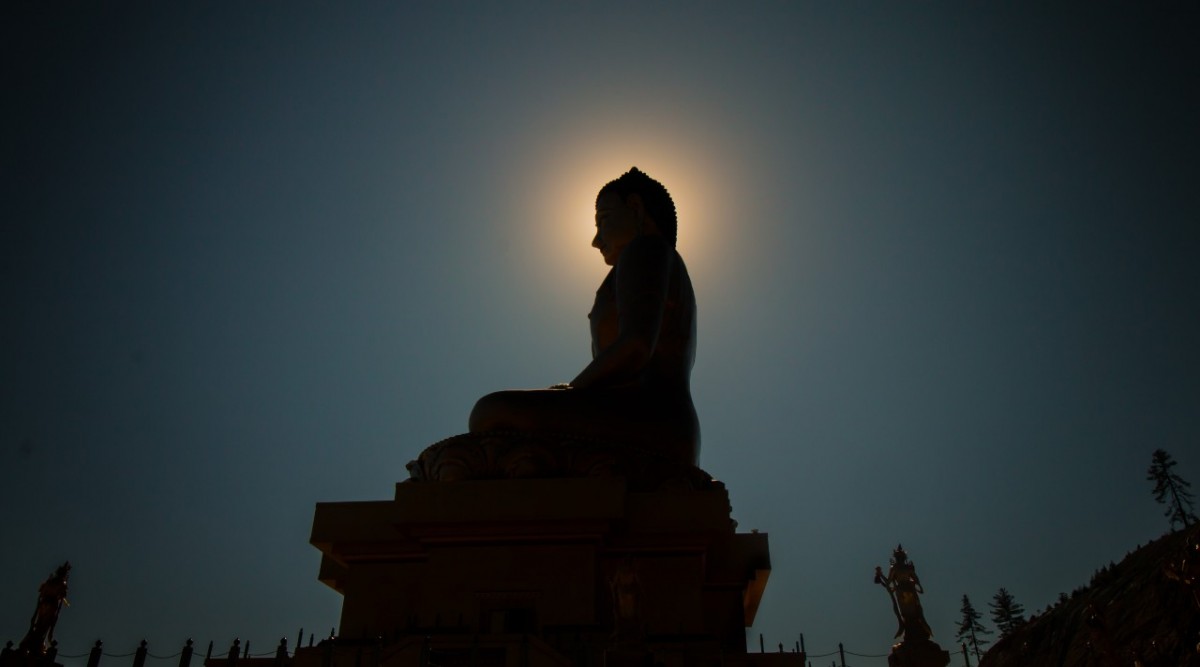

Buddha's Ethical Guidelines To Media

Buddha's Ethical Guidelines To Media

  • जेठ १४, २०७८ शुक्रबार २१:५९

Dr. Kundan Aryal -


This year Lord Buddha’s 2565th birth anniversary was celebrated amidst low-profle activities owing to the COVID-19 pandemic. Limited number of monks and Buddhist performed rituals by maintaining social distance and health safety rules. They recalled the Buddha’s humanistic teachings and enlightenment ideas at this critical hour of health crisis. Over the century the different schools of Buddhism have developed their independent systems of chronology. However, as S. Radhakrishnan, a philosopher and the second president of India, states that all the schools agreed to consider the full moon day of May 1956 as the 2,500th anniversary of the mahaparinirvana of Gautama Buddha. Since then, the full moon of the month of Vaisakha of the Bikram Sambat calendar has been considered the most sacred day, which is associated with three important events in the life of the Buddha - birth, enlightenment and parinirvana.

Intellectual ferment

In the six century BCE, The Buddha was the most prominent figure among his contemporaries whose contributions are still remembered for stimulating remarkable spiritual unrest and intellectual ferment. The most significant features of Buddhism involve its great sociological ideas as reflected on the good conduct in day to day life of human beings and pertinent ethical guidelines for professional intellectuals. The teachings of Buddha are relevant to professional journalism where fairness is one of the cardinal principles. Today, journalism is bearing the responsibility to mediate the entire society by acting as a communication bridge. The guidelines to normative ethics are pertinent to this endeavor though the Buddha does not directly address the theory of communication, even nonviolent communication. Read Full article in The Rising Nepal.


Related Story

सञ्चार सामग्री जफत गर्नु संविधानको ठाडो उल्लंघन : पत्रकार महासंघ

जनआस्था साप्ताहिक पत्रिकाको कार्यालयमा प्रहरी प्रवेश गरी कम्प्युटर, मोबाइल फोनलगायतका सञ्चार सामग्री जफत गरिएको घटनाप्रति नेपाल पत्रकार महासंघले आपत्ति जनाएको

किशोर श्रेष्ठ पक्राउ प्रकरणमा महिला आयोग अध्यक्षको आफ्नै पीडा र गम्भीर खुलासा

'पटक पटक प्रेस काउन्सिल जाँदा पनि न्याय पाइनँ' जनआस्था साप्ताहिकका प्रधान सम्पादक किशोर श्रेष्ठलाई प्रहरीले वैयक्तिक गोपनीयता हननको मुद्दामा पक्राउ गरेपछि

किशोर श्रेष्ठ पक्राउबारे प्रेस काउन्सिल नेपालः ‘कार्यालयमा प्रहरी छापा’ को विरोध गर्दै पत्रकारलाई पनि जिम्मेवार बन्न आग्रह

प्रेस काउन्सिलले किशोर श्रेष्ठ पक्राउ र उनको सञ्चार गृहमा छापा मारिएको शैलीप्रति आपत्ति जनाउँदै पत्रकारहरूलाई स्वतन्त्रताको नाममा स्वच्छन्द नहुन आग्रह

किशोर श्रेष्ठ पक्राउ प्रकरणः के भन्छ प्रेस काउन्सिल ऐन र आचारसंहिताको ‘विधि’?

जनआस्था साप्ताहिकका प्रधान सम्पादक किशोर श्रेष्ठलाई प्रहरीले वैयक्तिक गोपनीयतासम्बन्धी कसुरमा पक्राउ गरेपछि सञ्चार जगत् र कानुनी वृत्तमा एउटा बहस सुरु

किशोर श्रेष्ठ पक्राउ अघिका दुई मुख्य घटना

जनआस्था साप्ताहिकका प्रधान सम्पादक किशोर श्रेष्ठलाई प्रहरीले बुधबार साँझ ललितपुरको कुसुन्तीस्थित उनको निवासबाट पक्राउ गरेको छ । प्रहरीका अनुसार उनीविरुद्ध वैयक्तिक

मिडियाका कटु आलोचक उमेश श्रेष्ठ प्रेस काउन्सिलको नेतृत्त्वमा

नेपाली पत्रकारितामा उमेश श्रेष्ठ 'सालोक्य' एउटा यस्तो नाम हो, जसले गएका दुई दशकदेखि मूलधारका मिडियाका ससाना गल्तीदेखि ठूला विचलनसम्मलाई निर्भयतापूर्वक

फरक फरक निकायमा एउटै व्यक्ति दाबेदारः विज्ञता कि पदको भोक ?

प्रेस काउन्सिल, सार्वजनिक सेवा प्रसारण र गोरखापत्र संस्थानको नेतृत्वका लागि आवेदन दिएका नामहरूको प्रारम्भिक लेखाजोखा सरकारले प्रेस काउन्सिल नेपाल, गोरखापत्र संस्थान

मोनेटाइजेसन मोहदेखि सीमामा विदेशी मिडियाको अवैध सक्रियतासम्म, पत्रकारितामा देखिएका ७ विकृति

प्रेस काउन्सिल नेपालले पछिल्लो समय पत्रकारिता क्षेत्रमा देखिएका केही नकारात्मक प्रवृत्तिहरूप्रति आफ्नो गम्भीर ध्यानाकर्षण भएको जनाएको छ । पत्रकार आचारसंहिता