
Dr. Kundan Aryal
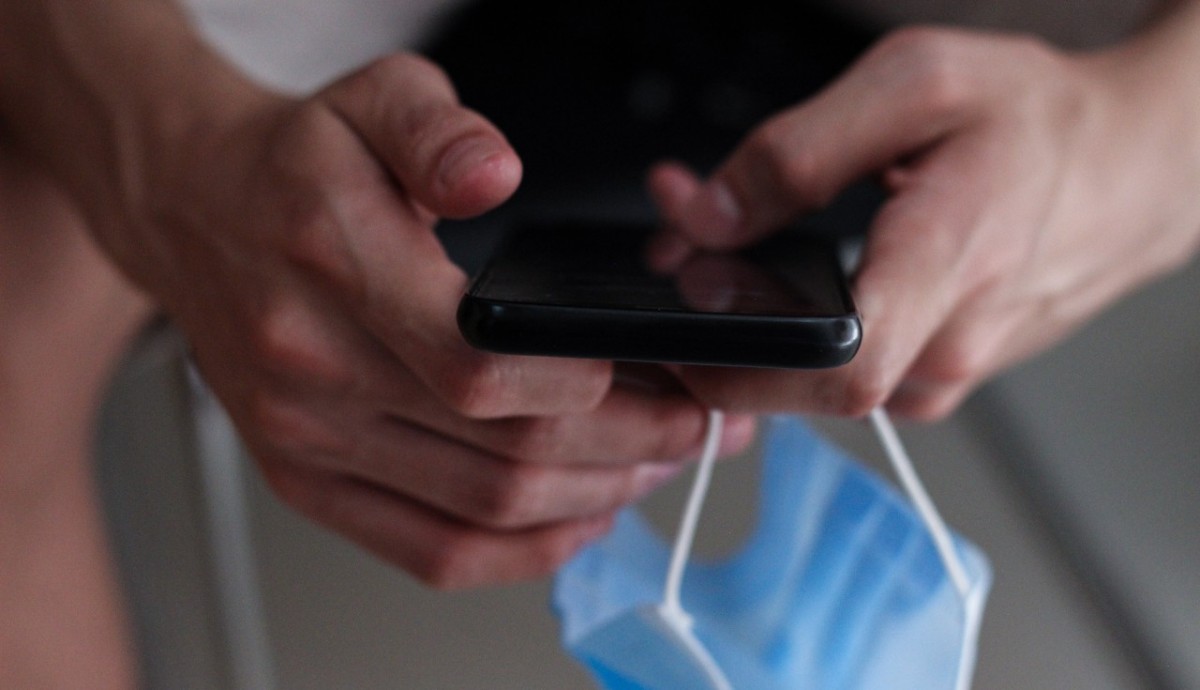
IT is still appears to be a distant dream to formulate a set of principles and policies for equitable and responsible dissemination of information worldwide. Global journalism is yet to be able to manifest and reflect a global plurality of views. Amidst the global outbreak of COVID-19, non-Western intellectuals have found many instances of biased practices based on cultural stereotype. In their view, in absence of impartial perspectives, global journalism is doing injustice to the larger section of people around the world.
Western media, in general, observe the ethical standard at home but discard the same when reporting about a non-Western society. For instance, BBC editorial guidelines on privacy state that some activities and conditions may be of such a private nature that filming or recording, even in a public place, could involve an infringement of privacy. But it also states that the public interest must be balanced in freedom of expression with the legitimate expectation of privacy by individuals. Now when there is a significant amount of grievances in the non-Western world, infringement of privacy in the gathering of material could not be justifiable in the given circumstances.
When the Western media cover human plight from a non-Western country, it is necessary to be sensitive about the concerns and interest of local people. The notion of proportionality must be upheld. They may justify their act with the argument that the greater the intrusion leads to the protection of larger public interest. But again the question is: who are the public in their viewpoint? Read Dr. Kundan Aryal's article in The Rising Nepal